
Supporting Food Security Through Agricultural Education
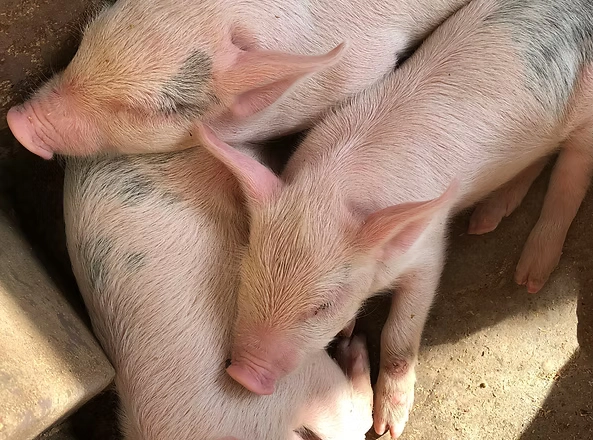
Food security remains a critical challenge globally and within Ghana. Agricultural education plays a vital role in addressing this challenge by producing skilled professionals capable of improving productivity and sustainability. Ejura College of Agriculture contributes to national development by training agricultural professionals who support farmers, introduce improved technologies, and promote best management practices. Through education, innovation, and community engagement, the college continues to make a meaningful contribution toward strengthening Ghana’s food systems.
Practical Training: The Foundation of Agricultural Excellence
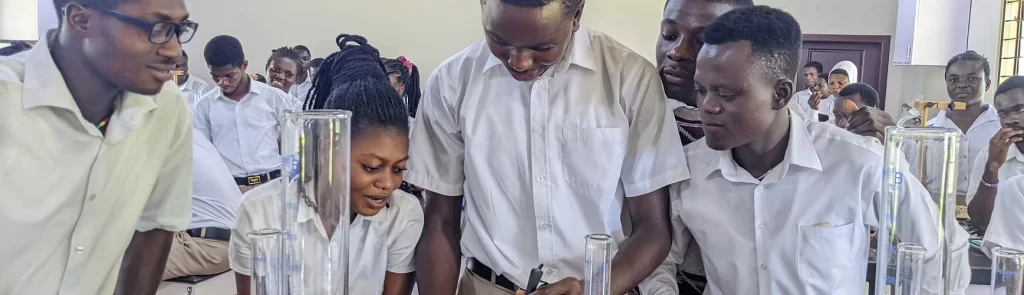
One of the distinguishing features of Ejura College of Agriculture is its emphasis on hands-on learning. Students actively participate in crop production, livestock management, farm machinery operation, and field demonstrations. This practical approach bridges the gap between classroom instruction and real-world agricultural practice. Employers consistently recognize the ability of graduates to adapt quickly to professional environments due to their practical experience. By combining theory with practice, the college ensures that graduates are workforce-ready upon completion of their studies.
Youth in Agriculture: Changing Perceptions and Creating Opportunities
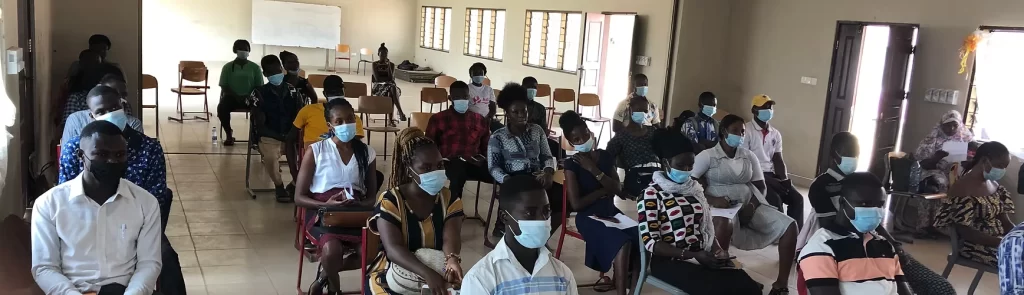
For many years, agriculture was viewed primarily as a subsistence activity. However, increasing demand for food, technological advancements, and emerging agribusiness opportunities are changing this perception. Ejura College of Agriculture continues to empower young people with practical skills, technical knowledge, and entrepreneurial abilities. Graduates are increasingly pursuing careers in extension services, agribusiness, agricultural research, and commercial farming. The college believes that engaging youth in agriculture is essential for ensuring national food security and sustainable development.
Why Agribusiness is the Future of Agriculture in Ghana
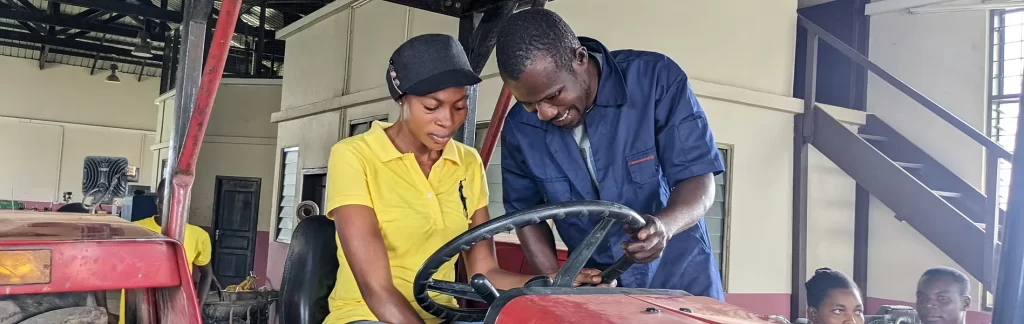
Agriculture today extends beyond crop and livestock production. It encompasses processing, marketing, value addition, logistics, and agricultural technology. At Ejura College of Agriculture, students are encouraged to view agriculture as a business enterprise. Through entrepreneurship training and practical farm management experiences, graduates develop the skills needed to create jobs and contribute to economic growth. Many alumni have successfully established poultry farms, vegetable enterprises, and agro-input businesses, demonstrating the opportunities available within Ghana’s agricultural value chain.
Climate-Smart Agriculture: Preparing the Next Generation of Farmers
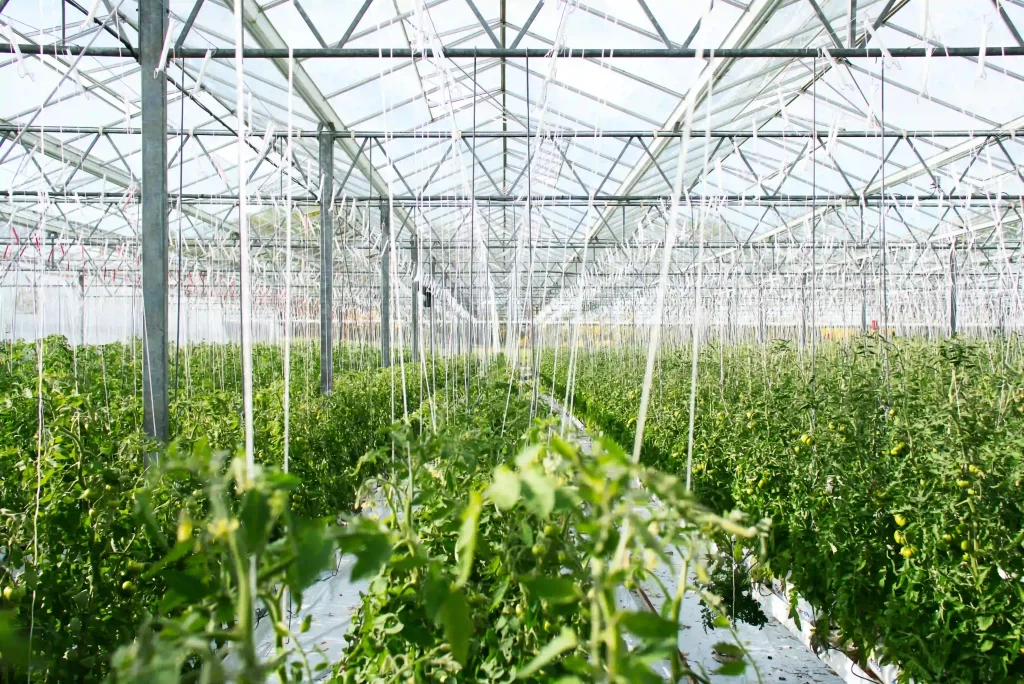
Climate change continues to affect agricultural production across Ghana through unpredictable rainfall patterns, prolonged dry spells, and increased pest outbreaks. As a response, Ejura College of Agriculture is strengthening training in climate-smart agricultural practices. Students are exposed to conservation agriculture, efficient water management, integrated pest management, and sustainable soil fertility practices. Through field demonstrations and practical training, the college is preparing graduates to help farming communities adapt to changing environmental conditions while maintaining productivity. The future of agriculture depends on innovation, and Ejura College remains committed to producing professionals capable of addressing these emerging challenges.
EACMC Joins the e-MOVE Digital Mechanisation Initiative
Ejura Agricultural College & Mechanisation Centre (EACMC) has officially joined Ghana’s flagship e-MOVE Digital Mechanisation Programme, a national initiative designed to equip agricultural students and professionals with cutting-edge digital and mechanised farming skills. The e-MOVE initiative, launched under the Ministry of Food and Agriculture (MoFA), aims to modernise agricultural training institutions by introducing digital literacy, precision agriculture tools, and smart mechanisation practices into their academic and field training. At EACMC, this marks a significant milestone in the college’s continuous effort to bridge the gap between traditional agricultural education and modern-day agritech innovation. “We believe agriculture is evolving — and our students must evolve with it,” said the Principal of EACMC. “Joining the e-MOVE programme enables us to prepare the next generation of farmers, technicians, and agripreneurs who are digitally competent and globally competitive.” Through the initiative, students will gain access to training in areas such as: Digital farm mapping and data collection GPS-based tractor operations and precision planting Mechanised irrigation and water management systems Agribusiness digital platforms and farm record management The e-MOVE programme also promotes collaboration between technical universities, agricultural colleges, and private sector partners, ensuring that students benefit from both academic knowledge and real-world technological applications. With Ejura Agricultural College joining the initiative, the institution reaffirms its position as a leader in agricultural mechanisation and practical training in Ghana. The college’s participation will help empower students to embrace digital transformation and lead the next wave of sustainable agribusiness innovation. “Our vision is simple — we want our graduates to not only operate farm machinery but also understand the data behind them,” added the Principal. “This partnership will strengthen that mission.” About EACMC Ejura Agricultural College & Mechanisation Centre is one of Ghana’s premier agricultural training institutions, established in 1964. The college focuses on practical education in general agriculture, animal health, and mechanisation, producing graduates who are driving Ghana’s agricultural transformation.